
Drones of the Berlin Air Show, plus a window into Europe’s space ambitions
This week on The Break Out, a brief review of small unmanned systems as well as space-launch options showcased at ILA Berlin 2026.
This week on The Break Out, a brief review of small unmanned systems as well as space-launch options showcased at ILA Berlin 2026.

"Space Systems Command intends to award a second vendor, but the quantity will depend on the selected vendor’s proposal. The timing and scope of that award is subject to the outcomes of the on-going FY26 budget deliberations," Col. Rob Davis, SSC's head of Space Sensing program, told Breaking Defense.

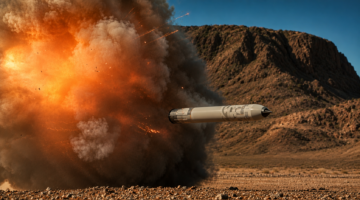
The goal of such weaponization is to tie warfighter needs to the RDT&E cycle.

Space Systems Command (SSC) in recent weeks has issued a flurry of contracts for the key hardware and software "thrusts" that make up the FORGE program, following a restructuring in 2023 that broke the effort into more manageable pieces.
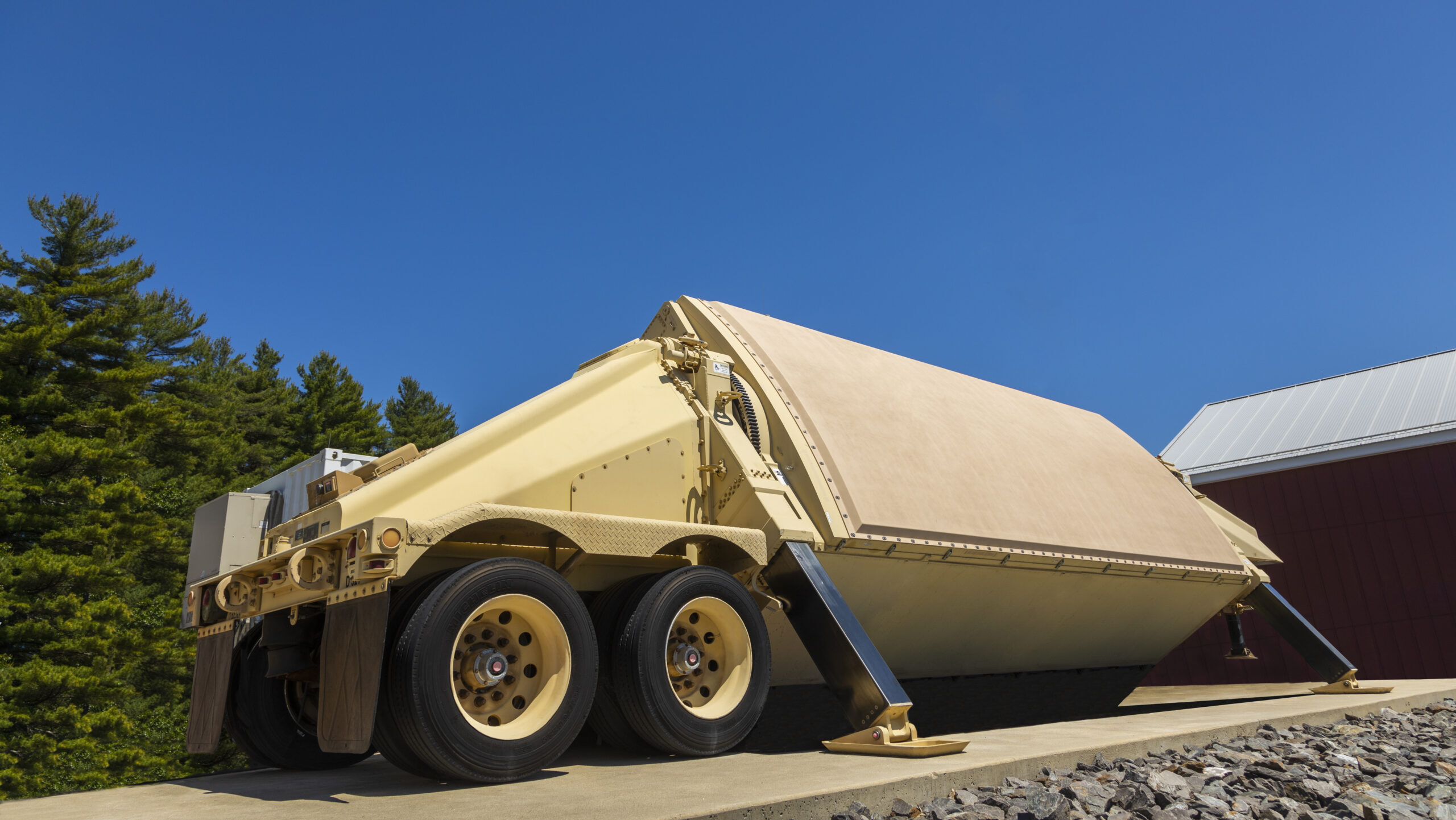
The upgraded AN/TPY-2 radar uses a Gallium Nitride semiconductor that allows it a longer range, enabling an interceptor to launch early enough to hit a hypersonic missile before its starts maneuvering, according to the company.

"We are leaning forward establishing this technical IPT to try to pull together all of the systems and start thinking about it from an overarching perspective," Chief of Space Operations Gen. Chance Saltzman said.

The SDA call for studies on speeding HBTSS "missile defense capabilities" is interesting, as its wording differs somewhat from language in an earlier solicitation from the Missile Defense Agency for proposals that appears to refer to an HBTSS satellite constellation.

Army vehicles like Bradley need greater power at the sprocket for speed, braking, and manueverability.

Keeping the Glide Phase Interceptor program on track needs to be a priority for the new administration and Congress, writes former NORTHCOM officer Howard “Dallas” Thompson.

"Missions are ramming into each other, overlapping each other. The integration challenge is large," Lt. Gen. Heath Collins said. "[S]ilos exist between services, between entities within the services, between MDA."
“We are at that stage of planning” around what we should include, Saltzman noted, adding that all three nations see a potential Pillar II space agreement “as a valuable tool.”

Mark Lewis, formerly the Pentagon's senior scientist now CEO of the Purdue Applied Research Institute (PARI), gave MDA a thumbs up for taking a new look at the concept, noting that the technology has come a long way since 2014.


Lithium-metal batteries are one way to break the weight and endurance limits of today’s unmanned systems.

China is conducting regional maritime activities "under the cloud of a technical or scientific research, but we think it's certainly multi-mission to include military" operations, Gen. Gregory Guillot, head of NORTHCOM/NORAD said.
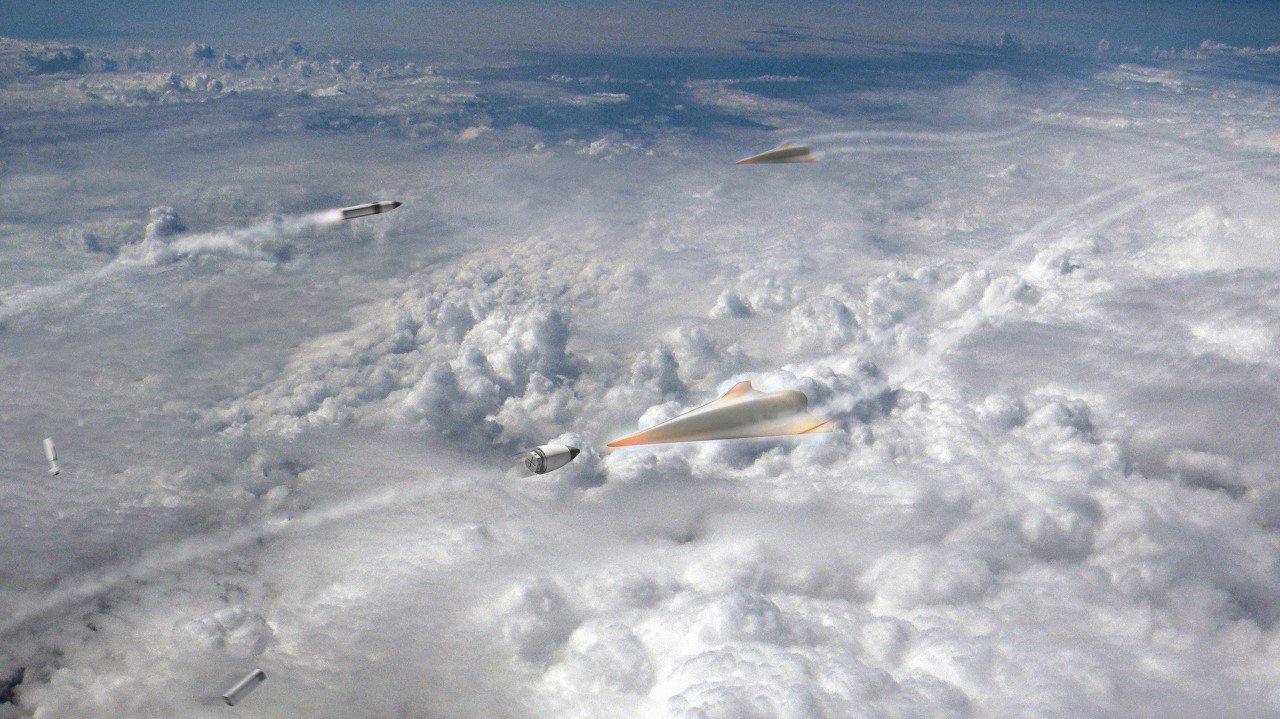
Under its Glide Breaker project, DARPA wants to develop a prototype kill vehicle to intercept incoming hypersonic vehicles in their glide phase, before they begin high-speed maneuvers.

SDA plans to purchase and deploy a minimum of 54 space vehicles equipped with infrared sensors from up to three vendors under the new solicitation for Tranche 2 of its Tracking Layer constellation.

"The best missile strategy is to destroy the missiles prior to launch. A focus on missile defeat could enable distributed non-kinetic systems with larger magazines and the ability to engage missiles before they can deploy complex decoys, countermeasures, maneuvers or multiple reentry vehicles," said Rear Adm. Sean Regan, NORTHCOM's director of operations.